Teide National Park
Back to all places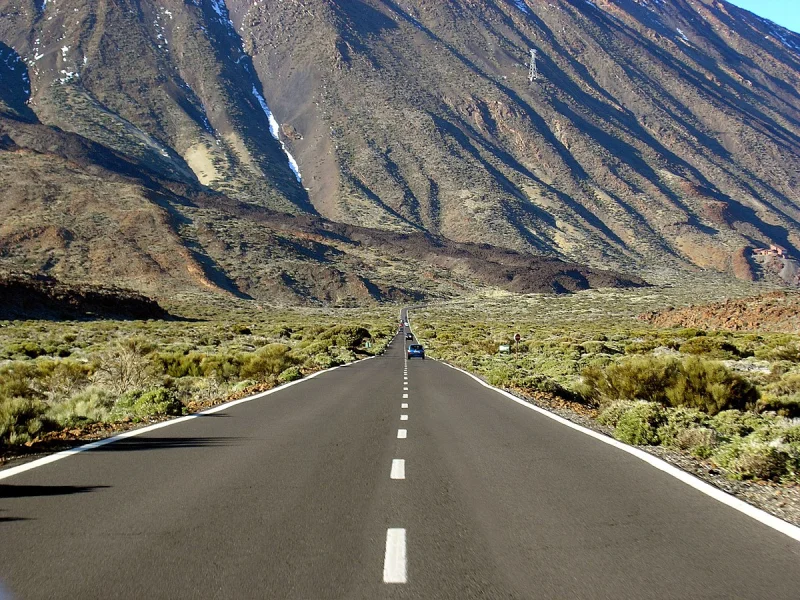
Nestled in the heart of Tenerife, Teide National Park is a UNESCO World Heritage Site renowned for its awe-inspiring volcanic landscape and immense scientific value. Established in 1954, it is Spain’s oldest national park and encompasses the iconic Mount Teide, which at 3,718 metres stands as the highest peak in Spain and the third largest volcano in the world from its base. The park’s geography is shaped by dramatic geological activity, with evidence of eruptions dating back over 170,000 years, including the notable eruption of Montaña Blanca around 2,000 years ago. Ancient Guanche civilisations revered the mountain, believing it to be the sacred abode of the god Guayota. Throughout the centuries, the unique flora and fauna, including volcanic broom and the rare Teide violet, drew the attention of explorers and naturalists such as Alexander von Humboldt, who climbed the peak in 1799. Teide National Park played a critical role in the development of modern volcanology, and its pristine skies have long attracted astronomers, leading to the installation of the Teide Observatory in 1964. Today, visitors can traverse the vast caldera, explore otherworldly lava fields, and witness a landscape that inspired generations, reflecting both the island’s turbulent geological past and its enduring cultural significance.
28.25499, -16.61933