Taganana
Back to all places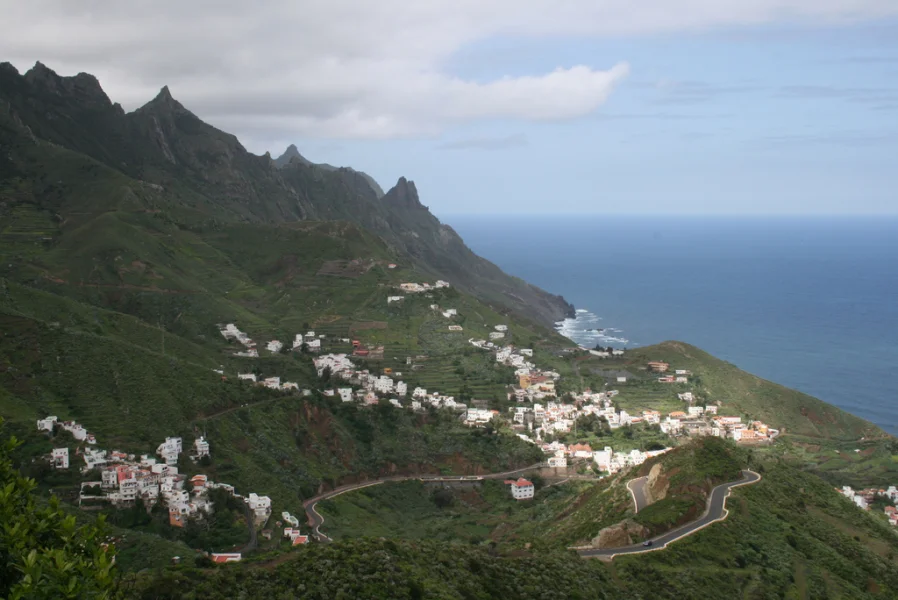
Nestled within the rugged Anaga mountain range, Taganana is one of Tenerife’s oldest and most storied villages, thought to have been established shortly after the Spanish conquest of the island in 1496. Historically isolated until the construction of a winding road in the mid-20th century, Taganana offers a glimpse into a way of life that has endured for centuries. The village is renowned for its cluster of whitewashed, traditional Canarian houses and its narrow cobbled streets that reflect its rich agricultural heritage, particularly in the cultivation of vines and potatoes. At the heart of Taganana stands the Church of Nuestra Señora de las Nieves, built circa 1515, which is among the oldest churches in the Canary Islands and features a remarkable Mudéjar coffered ceiling. The village played a significant role during the 16th and 17th centuries as a centre for sugar cane and wine production, essential exports that shaped the region’s economy. Over time, Taganana witnessed pirate raids and the influence of various European traders, leaving a patchwork of cultural imprints. The geography surrounding Taganana is part of the Anaga Rural Park, a UNESCO Biosphere Reserve since 2015, celebrated for its ancient laurel forests dating back to the Tertiary period and endemic flora and fauna. Archaeological finds in the area reveal the presence of the indigenous Guanche people long before Spanish arrival, with remnants of their cave dwellings still visible today. Taganana’s enduring traditions, including local festivals and gastronomy, echo the village’s deep historical roots, making it a compelling destination for those seeking to explore Tenerife’s living history.
28.56048, -16.21732