Santiago del Teide
Back to all places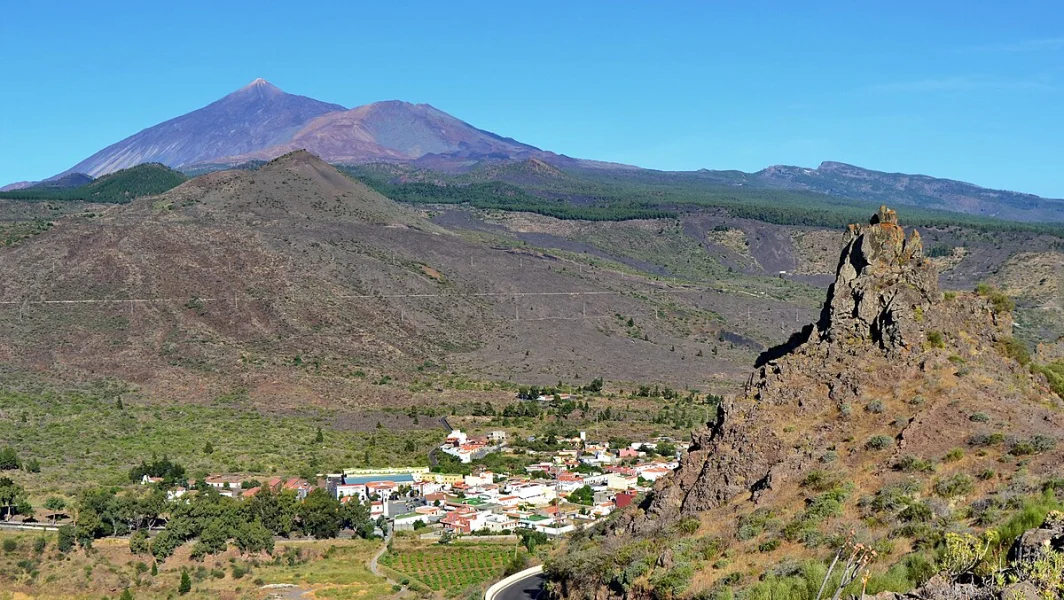
Santiago del Teide, nestled in the north-western reaches of Tenerife, stands as a testament to the island’s deep-rooted heritage and dynamic history. The municipality traces its foundation to the late 17th century, rising amid volcanic landscapes shaped irrevocably by the eruption of Volcán Chinyero in 1909 – the last volcanic eruption in Tenerife, which dramatically altered the terrain and horizon. The town itself is anchored by the Church of San Fernando Rey, built in the 1670s, and its surroundings reflect the echoes of agricultural traditions and Guanche legacy, with evidence of ancient cave dwellings and petroglyphs scattered in the nearby valleys. Over centuries, Santiago del Teide became a waypoint for pilgrims journeying between the coast and the highlands, most notably during the annual almond blossom festival, which has been celebrated for over a hundred years. The municipality also played a pivotal role during the early sugar trade era, prior to the rise of banana cultivation in the 19th century. Today, Santiago del Teide’s cobbled streets, traditional Canarian architecture, and panoramic views of the imposing Teno massif invite exploration and contemplation, while its history of volcanic resilience and cultural fusion continues to captivate those with an appreciation for the depth of the past.
28.29730, -16.81601