Puerto de la Cruz
Back to all places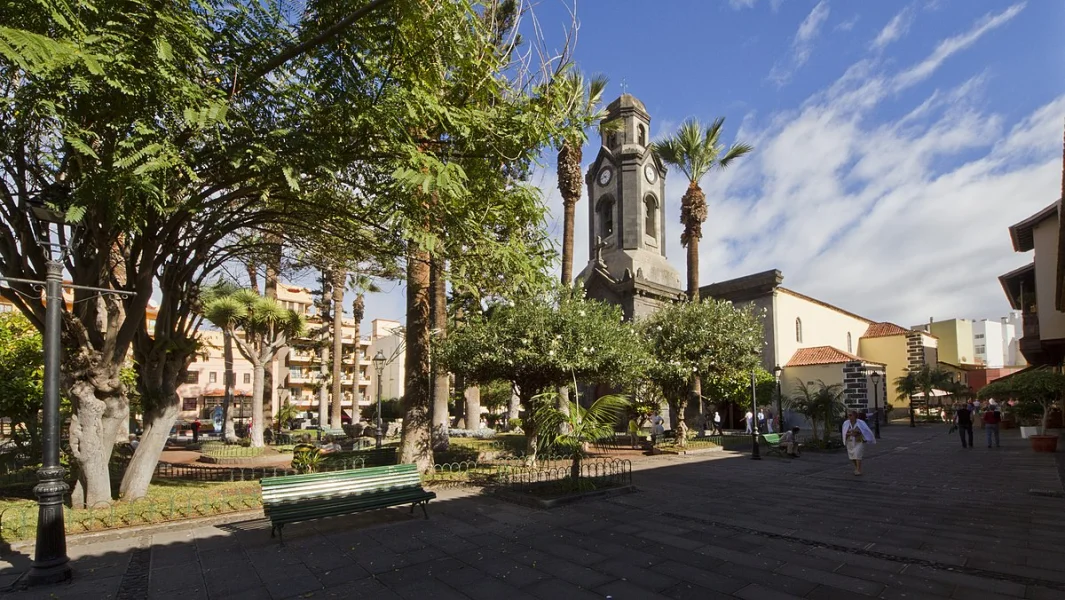
Puerto de la Cruz, nestled on the north coast of Tenerife in the Canary Islands, is a town steeped in centuries of history and cultural significance. The origins of the settlement trace back to the early 16th century, when it emerged as a modest fishing village and a natural harbour serving the inland town of La Orotava. By 1651, it had gained status as an independent municipality, its strategic port playing an essential role in exporting the region’s famed Malvasía wine to European markets—an enterprise that attracted British and other foreign merchants, establishing enduring international links. Throughout the 18th century, Puerto de la Cruz prospered as a bustling commercial hub before shifting towards tourism in the late 19th century, becoming one of Spain’s earliest resort destinations. The beautiful gardens of the Sitio Litre estate, dating to 1730, and the stately 19th-century Taoro Hotel bear witness to the town’s storied past as a refuge for writers, scientists, and explorers, among them the renowned naturalist Alexander von Humboldt, who visited in 1799. Architectural heritage abounds, from the striking Church of Nuestra Señora de la Peña de Francia, erected in 1697, to the historic fishing quarter of La Ranilla. Volcanic beaches such as Playa Jardín, redesigned in the 1990s by artist César Manrique, and the iconic Lago Martiánez seawater pools, created in the 1970s, further illustrate the town’s harmonious blend of tradition and innovation. Over the centuries, Puerto de la Cruz has transformed from a commercial stronghold to a vibrant cosmopolitan destination, celebrated for its unique history, botanical legacy, and pioneering role in the emergence of modern tourism in the Canary Islands.
28.41412, -16.54807