La Orotava
Back to all places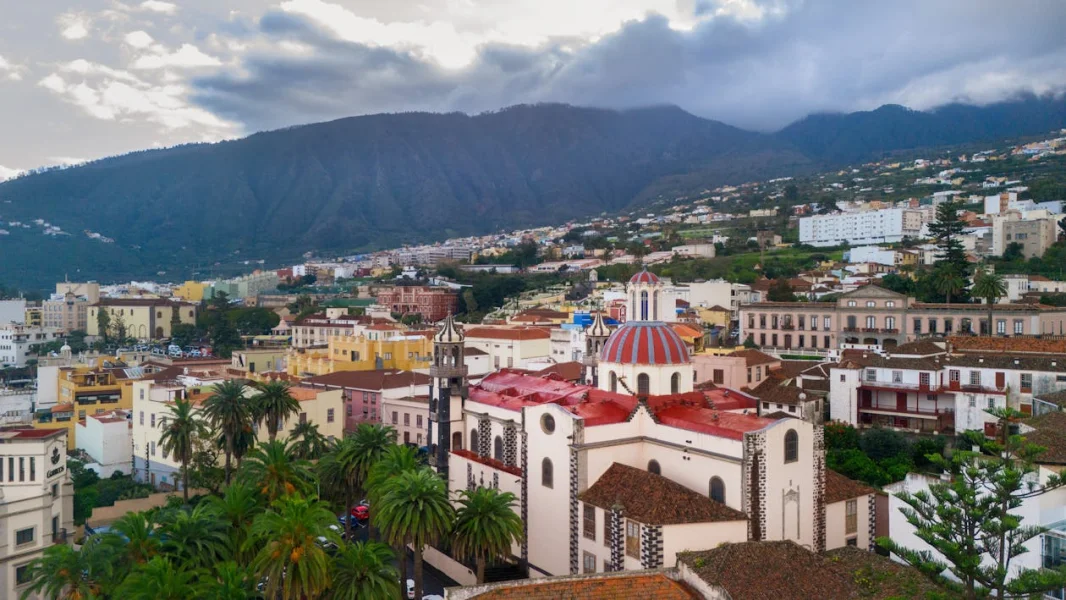
Nestled on the verdant northern slopes of Tenerife, La Orotava stands as a distinguished town steeped in history and cultural heritage. Dating back to the conquest of the Canary Islands in the late 15th century, La Orotava was officially founded following the Castilian takeover led by Alonso Fernández de Lugo in 1496. The town flourished under Spanish rule, rapidly becoming an agricultural hub renowned for its vineyards and sugar cane plantations, which contributed significantly to Tenerife’s prosperity during the 16th and 17th centuries. A stroll through its impeccably preserved historic centre reveals grand mansions such as the Casa de los Balcones, built in 1632, showcasing the intricate wooden balconies emblematic of Canarian architecture. The Church of La Concepción, a masterpiece completed in 1788, was designed in baroque style and stands as a testament to the town’s religious and architectural significance. Furthermore, La Orotava is celebrated for its annual Corpus Christi festival, first recorded in the 19th century, where elaborate floral carpets adorn the streets, a tradition now recognised as a Festival of National Tourist Interest. Throughout centuries, La Orotava has played host to notable travellers including the botanist Alexander von Humboldt, who, during his 1799 visit, marvelled at the magnificent panoramic views of the valley and Mount Teide. The municipality also contains several stately gardens, such as the Victoria Gardens established in 1881, and is integral to the declared Teide National Park, a UNESCO World Heritage Site since 2007. Today, La Orotava remains a living museum, inviting history enthusiasts to explore its cobbled streets, well-preserved colonial buildings and time-honoured customs that continue to define its unique charm.
28.38969, -16.52477