Cueva del Viento
Back to all places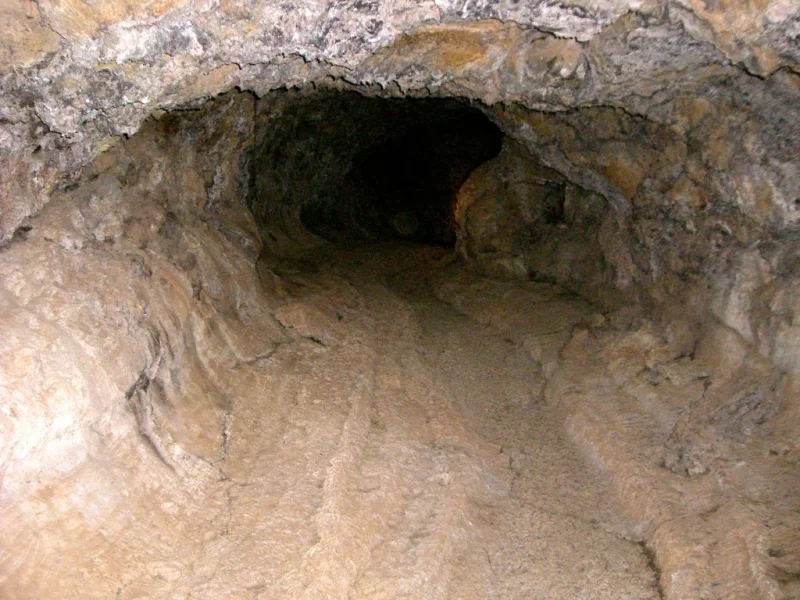
Cueva del Viento, or Cave of the Wind, which is a huge lava tube system. It is the largest system in Europe and fifth largest in the world. This lava tube, the name of which Cave of the Wind comes from the powerful draughts that flow through it, is the fifth longest in the world with 18 kilometres mapped to date, behind the four that are found on the largest island of the Hawaii archipelago. It is a huge labyrinthine network of underground passages, with many unexplored branches that will undoubtedly add to its overall length in the future. The volcanic tube was created with lava flows from Pico Viejo next to Mount Teide. There are tunnels on three different levels and as well as the tunnels there are larva pits and terraces, lava stalactites, lakes and cascades to see. It was formed approximately 27000 years ago. The Cueva del Viento really is unlike anything you have seen before. Visits start at the Visitor centre and from here you will be taken by vehicle to the entrance. The visit takes about 2 hours in total with 45 minutes in the tunnel. You need to be wearing suitable footwear, a walking boots or trainers and long trousers. It is not suitable for kids under 5 years, people with reduced mobility or anyone who suffers from claustrophobia.
Of greatest interest to biology is the subterranean fauna found in this intricate volcanic cave, which is a constant source of new discoveries. The cave is home to a total of 190 known species, most of which are invertebrates. Of these, 44 are troglobites: animals adapted to underground environments. Of these species condemned to live in darkness, 15 are new to science, such as the eyeless cockroach Loboptera subterranea or the carabidae Wolltinerfia martini and Wolltinerfia tenerifae. The fossil remains of extinct vertebrates such as the giant rat and giant lizard have been found in the cave, as well as other skeletal remains of species that have disappeared from Tenerife, such as the rook and the houbara bustard. In this type of cave animals live by the maxim “adapt or die” and quite incredible changes come about, such as body discoloration or vision loss. In some cases, such as that of the woodlouse Venezillo tenerifensis, pigmentation disappears altogether, as there is no need for it without sunlight. As it is not possible to see in pitch black darkness, sometimes their eyes atrophy and even disappear entirely. Other animals develop other senses to compensate their blindness. This is the case of the beetle Domene vulcanica whose long antennae gives it a heightened sense of smell and a delicate sense of touch that make up for its lack of eyesight, and its streamlined legs and body help it on its endless march in search of scarce food. Moreover, because food is so scarce in cave environments, these animals can fast for months thanks to their slow metabolism.
Cueva del Viento was already known to the Guanches more than 2000 years ago. Burial remains have been found in the cave. But no written record exists until 1776. That year, the Bethencourt de Castro brothers and Afonso Molina mentioned it in their description of the San Marcos Cave. The main entrance to the cave is located in the neighbourhood of the same name, Cueva del Viento, which would suggest that it had already been known to the locals for a long time.
The history of recent discoveries began in 1969 with exploration. In 1973, cavers from the Shepton Mallet Caving Club discovered what was later to be named, in their honour, the “Pozo de los Ingleses", Englishmen’s Pit, which connects the third level with a large gallery of about 4 kilometres in length on the lowest level.
28.35201, -16.70397