Beetlemania: the Cochineal Boom
Back to all places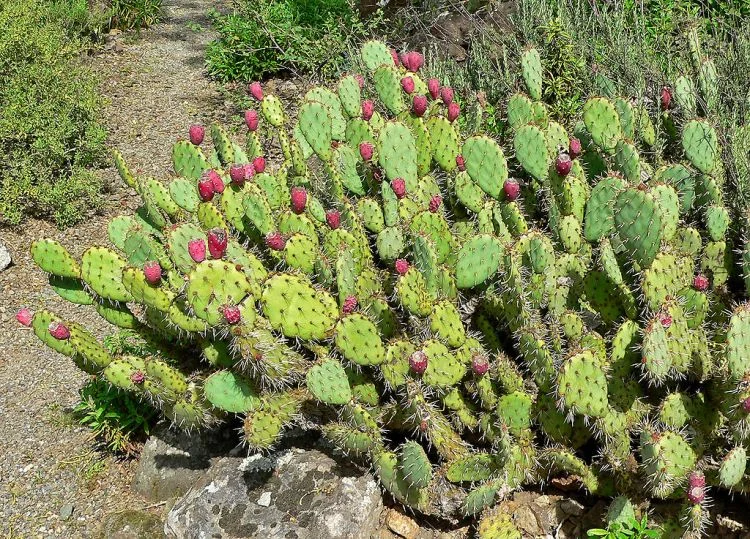
In Tenerife your will see a lot of opuntia, or commonly called the prickly pear cactuses. They are known for their flavorful fruit and showy flowers. But also this is the home of beetle who makes natural red dye, called cochineal. Cochineal is a red dyestuff consisting of the dried, pulverized bodies of certain female insects. Mostly red lipstick was made with this dye. The story goes that it was discovered by the Spanish in Mexico in the 16th century and brought to Europe, where they initially claimed it was produced by seeds, probably because that sounds marginally more appealing than ground-up beetles, especially for lipstick! Cochineal was a major export in Tenerife in the 1850s, with prickly pears replacing the vines which had become diseased by grape louse, thus destroying the formerly lucrative viticulture industry. The dye is produced by the female cochineal beetle who drives her tubular proboscis through the cactus skin, where she remains happily affixed for the rest of her life, sucking out the juice. At the same time, she produces a waxy, white coating which acts as a kind of armour from predatory birds and insects. After around three months, the beetles are removed from the cactus and left to dry, after which they are ground up to extract the dye. Approximately 70,000 cochineal insects are required to manufacture 450g or 1 pound of crimson dye. The introduction of synthetic dyes in the late 19th century led to the demise of the cochineal industry, although cochineal is reputedly still used by the pharmaceutical industry to colour pills and ointments. Look for the word carmine on the list of ingredients.
28.11433, -16.68046