Adeje
Back to all places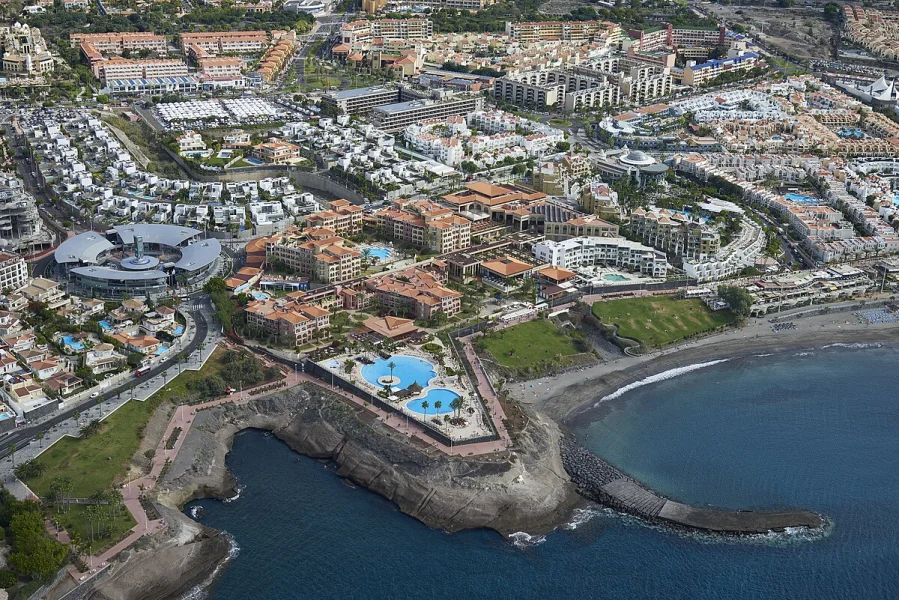
Nestled in the south-western region of Tenerife, Adeje is a municipality renowned for its deep-rooted history, impressive landscapes, and vibrant culture. With its origins tracing back to the pre-Hispanic era, Adeje was once a significant centre for the Guanche people, the island’s original inhabitants. Archaeological evidence, including the discovery of ancient burial sites and artefacts, attests to its importance before the Castilian conquest of Tenerife in 1496. Following the conquest, Adeje rose in prominence as a feudal lordship under the control of the influential Ponte family, who were instrumental in developing the region’s agricultural estates throughout the 16th and 17th centuries. The Casa Fuerte, a fortified manor house built in 1556, served both as the administrative centre and as protection against pirate raids, bearing witness to Adeje’s strategic significance during this volatile period. The rich volcanic soils of the region fostered the emergence of crucial crops such as sugar cane and later, cochineal and bananas, propelling Adeje’s economy forward in the 18th and 19th centuries. The landmark Iglesia de Santa Úrsula, established in the early 16th century and later expanded, stands today as a testament to the town’s enduring religious tradition. By the mid-20th century, Adeje underwent a dramatic transformation, becoming a focal point of Tenerife’s burgeoning tourism industry, particularly with the creation of Costa Adeje in the 1980s. Today, Adeje seamlessly blends its historical past with modern allure, making it an essential destination for those eager to explore the layered heritage of the Canary Islands.
28.11926, -16.73837